Why Regular Cleaning Is Crucial for Allergy Sufferers
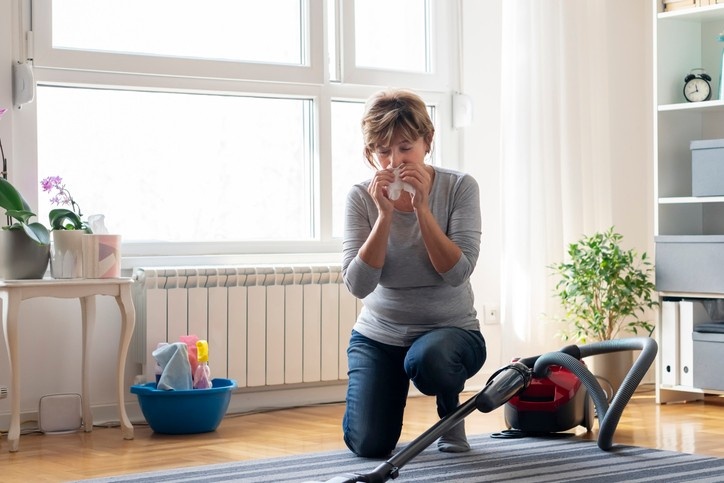
If you find yourself sneezing, coughing, or rubbing itchy eyes the moment you step through your front door, your home might be harboring invisible intruders. For those with respiratory sensitivities, a house is more than just a place to relax. It acts as an environment that either supports your well-being or triggers constant discomfort.
The connection between home cleanliness and respiratory health is undeniable. Airborne particles settle on surfaces, embed themselves in fabrics, and circulate through your ventilation system. When you breathe them in, your immune system overreacts, leading to those familiar and frustrating allergy symptoms.
Common Indoor Allergens
Dust Mites
Dust mites are microscopic organisms that feed on the dead skin cells humans and pets shed every day. They thrive in warm, humid environments. You will mostly find them thriving in your bedding, carpets, and upholstered furniture. The mites themselves do not cause the allergy, but their waste particles trigger severe respiratory reactions when inhaled.
Pet Dander
We love our furry companions, but they leave behind more than just affection. Pet dander consists of tiny, even microscopic, flecks of skin shed by cats, dogs, rodents, and birds. These proteins are notoriously sticky. They cling to walls, clothing, and household fabrics, remaining potent long after the animal has left the room.
Mold Spores
Mold needs moisture to grow, making bathrooms area, kitchens, and basements high-risk areas. As mold colonies expand, they release tiny spores into the air. When you inhale these spores, they can cause coughing, wheezing, and throat irritation. Left unchecked, mold significantly degrades your indoor air quality and damages your property.
Pollen
You might think pollen is strictly an outdoor problem, but it easily invades your home. It drifts in through open windows and hitches a ride on your shoes, clothing, and pets. Once inside, pollen settles into your carpets and furniture, extending your seasonal allergies well beyond the blooming season.
How Regular Cleaning Reduces Allergic Reactions
Understanding how to reduce dust allergies home environments require starts with the science of “source removal.” You cannot simply mask allergens with air fresheners or hope they disappear on their own. You must physically extract them from your living space.
Source removal relies on physically removing dirt, dust, and microscopic triggers. When you wipe down a counter or vacuum a rug, you eliminate the fuel that dust mites need to survive. You also stop pollen and dander from accumulating to levels that trigger your immune system.
Areas Allergy Sufferers Often Overlook
Baseboards and Moldings
Baseboards stick out just enough to catch a massive amount of falling dust, pet hair, and pollen. Because they sit low to the ground, they are often overlooked during a quick sweep. Wiping them down with a damp microfiber cloth traps dust rather than pushing it back into the air.
Ceiling Fans and Light Fixtures
Out of sight often means out of mind. Ceiling fan blades accumulate thick layers of dust over time. The moment you turn the fan on, those blades launch a storm of allergens directly into your breathing space. Use a long-handled duster or a damp pillowcase to carefully capture the dust from each blade.
Upholstery and Throw Pillows
Your couch absorbs dead skin cells, dander, and dust every time you sit down. Most people vacuum their floors, but completely forget to vacuum their soft furnishings. Use an upholstery attachment to thoroughly clean your sofas, chairs, and decorative pillows at least once a week.
Behind and Under Appliances
The narrow gaps behind your refrigerator, stove, and washer are magnets for dust bunnies and food crumbs. The heat generated by these appliances creates a perfect incubator for mold and dust mites. Pulling your appliances out twice a year for a deep clean drastically reduces these hidden allergen nests.
Window Treatments
Curtains and blinds act as massive filters for pollen and dust blowing in from the outside. Heavy drapes can hold pounds of dust without looking dirty. Follow specific allergy-cleaning tips by washing fabric curtains frequently and wiping down blinds with a damp cloth weekly.
The Value of Professional Cleaning
While a dedicated DIY cleaning routine helps, sometimes you need heavier artillery. Professional allergy cleaning takes source removal to an entirely different level. Experts possess the tools, knowledge, and techniques required to extract deeply embedded irritants.
Standard household vacuums often lack the power to pull allergens from deep carpet padding. Even worse, many standard vacuums exhaust fine dust particles right back into your air. Professional cleaners use high-grade HEPA (High-Efficiency Particulate Air) vacuums. These advanced machines trap 99.97% of particles down to 0.3 microns, ensuring that dust mites and pollen stay inside the machine.
Breathe Easier Today
You do not have to fight indoor allergens on your own. Let the experts handle the heavy lifting while you enjoy the fresh, clean air you deserve. Book a professional cleaning service with The Perfectionist Cleaning Services today. Our specialized equipment and meticulous attention to detail will transform your home into a truly healthy haven. Contact us now to schedule your first deep clean and take a massive step toward better indoor air quality.
Choosing Weekly, Biweekly, or Monthly Cleaning Services
Keeping your home tidy often feels like a never-ending cycle. You scrub the kitchen counters…
The Benefits of Hiring Cleaning Services for Your Home
Life can get hectic, and sometimes it can feel impossible to get everything done. Between…